
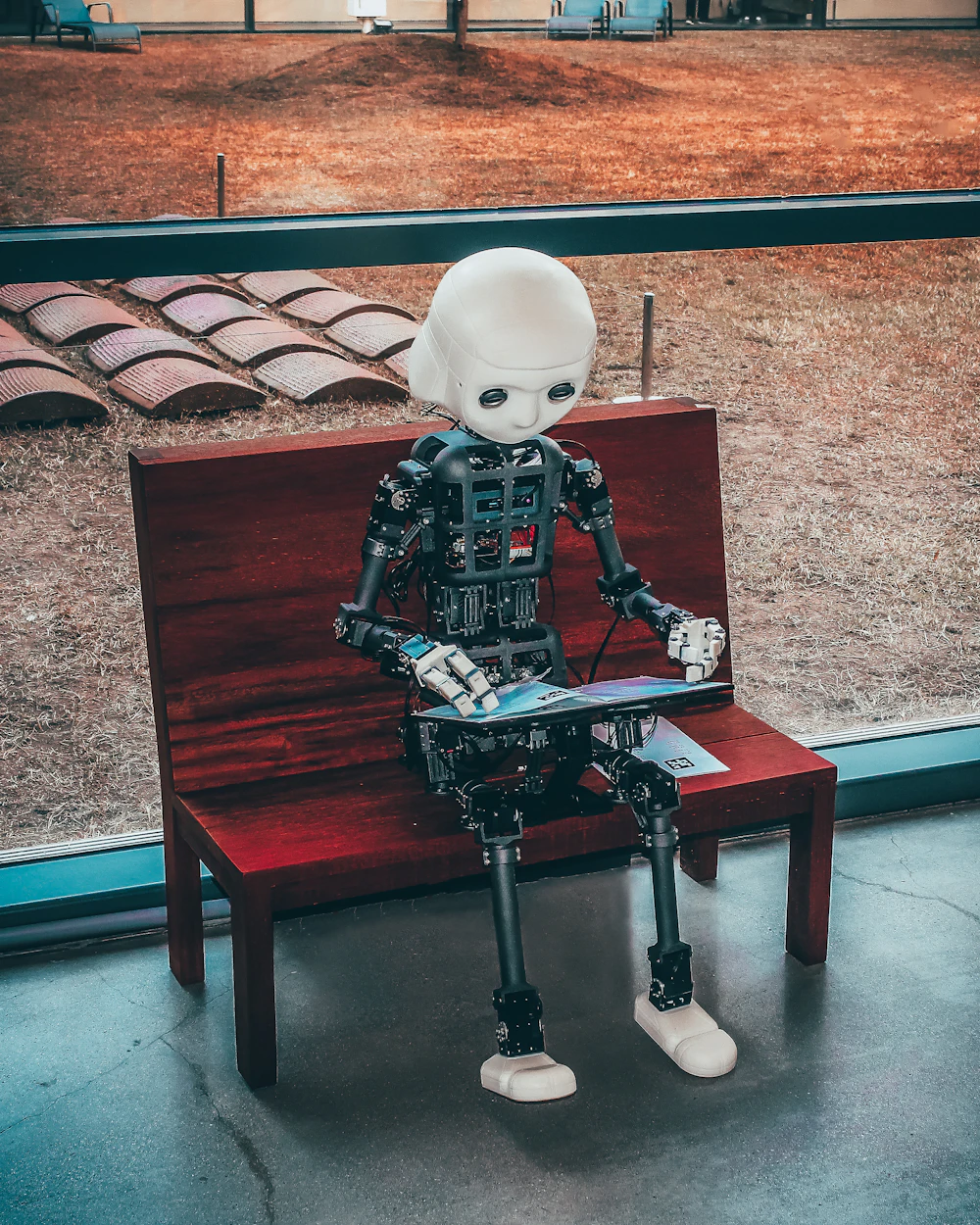
Beyond the Pixels: How AI is Transforming Everything from Cinematic Photography to Healthcare
By bridging the gap between artistic vision and data science, machine learning is redefining how we see the world.
We live in an intensely visual era. Every day, billions of images are captured, shared, and analyzed. But we are no longer just relying on lenses and sensors to interpret the world. Today, the real magic happens in the algorithms.
From rendering breathtaking, cinematic landscape photography to powering the next generation of life-saving medical image analysis, Artificial Intelligence (AI) and Machine Learning (ML) are acting as the ultimate digital darkroom. Here is how computer vision is quietly changing everything.
1. The Computational Canvas: AI in Cinematic & Landscape Photography

Capturing the perfect shot of a misty valley or a dramatic mountain peak used to require waiting hours for the perfect light. Today, AI models are trained on millions of professional photographs to understand the nuances of lighting, depth of field, and color grading.
- Smart HDR & Exposure: ML algorithms instantly combine multiple exposures to preserve details in the brightest skies and the darkest shadows.
- Noise Reduction: Neural networks can differentiate between digital grain and actual texture, allowing for pristine night photography.
- Cinematic Depth: Algorithms can now accurately map depth in a 2D image, applying hyper-realistic bokeh that rivals professional DSLR lenses.
2. The Engine Room: Data Science, Python, and Neural Networks
None of this happens by magic. It is the result of rigorous data science. Behind every smart filter or auto-enhancement feature is a robust architecture often built using Python and advanced libraries like TensorFlow or PyTorch.
Convolutional Neural Networks (CNNs) are the heroes here. By passing an image through multiple layers of mathematical filters, the AI learns to identify edges, textures, and eventually complex objects. This allows software to understand context—knowing the difference between a cloud in the sky and snow on a mountain peak.
import cv2
import numpy as np
# Load image as numerical data
image_data = cv2.imread('landscape.jpg')
# AI models analyze these pixel arrays to detect patterns
processed_data = ai_model.predict(image_data)
3. From Art to Impact: The Frontier of Medical Image Analysis

Perhaps the most profound application of this technology isn't in creating beautiful art, but in saving lives. The exact same foundational principles of computer vision used to enhance a photograph are currently revolutionizing European and global healthcare systems.
Medical image analysis—processing X-rays, MRIs, and CT scans—is highly complex. However, an AI model trained on vast datasets of medical imagery can spot microscopic anomalies that the human eye might miss.
- Early Detection: Identifying early signs of tumors or fractures with unprecedented accuracy.
- Workflow Efficiency: Triaging scans so radiologists can focus on the most critical cases first.
- Predictive Analytics: Using historical data to predict patient outcomes based on current imaging.
The Takeaway
Whether it's capturing the perfect golden-hour selfie or diagnosing a critical illness, the pixels remain the same. It is the intelligence we apply to those pixels that is changing the world. As we continue to refine these algorithms, the line between data science and visual art will only continue to blur.
What are your thoughts on AI stepping into the worlds of photography and healthcare? Share this post and let’s start a conversation!


Post a Comment